


ER Tech Requirements: Building Expertise in Emergency Room
Introduction: Why ER Tech Requirements Are a Critical Conversation
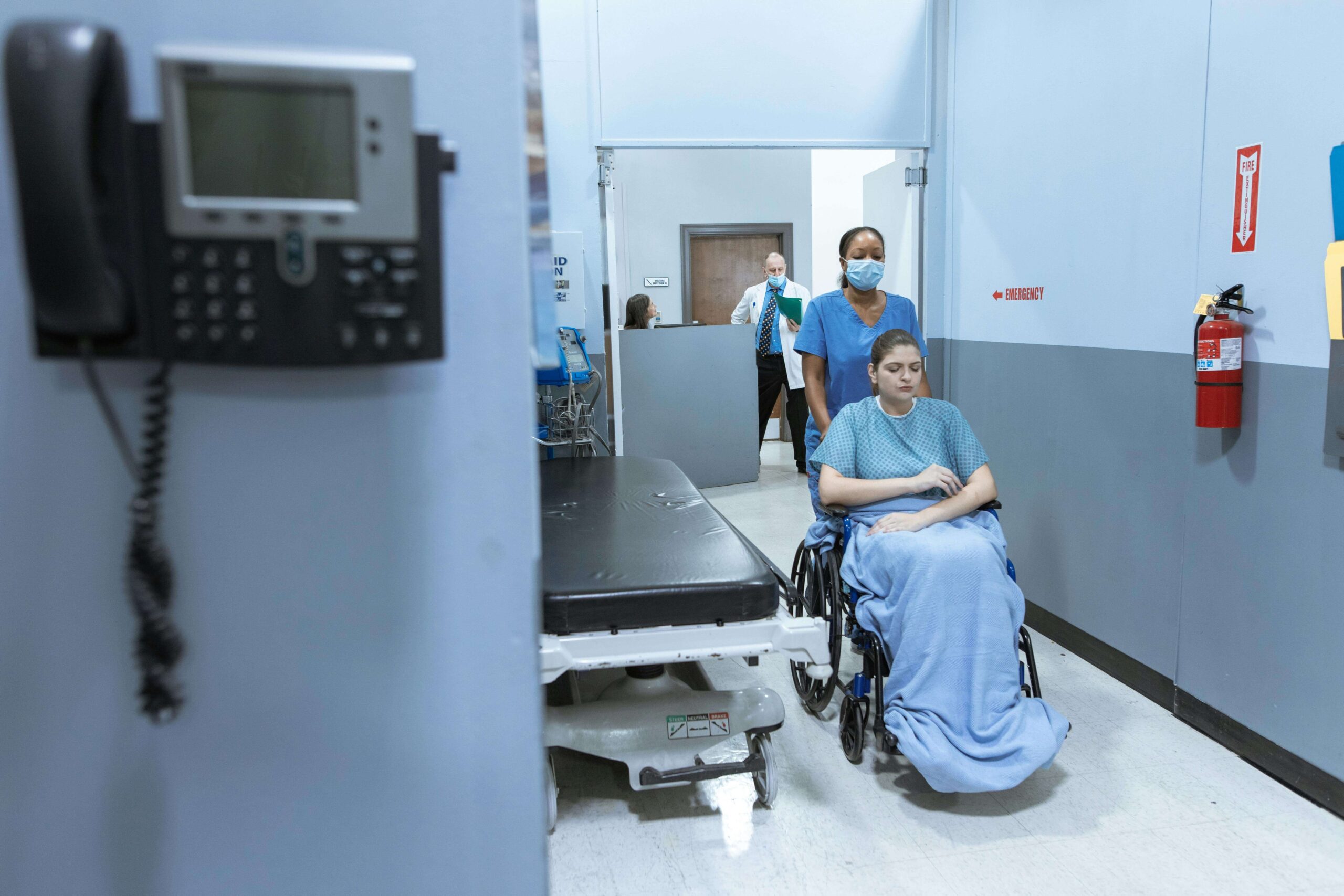
In the healthcare system, the emergency room is a space where every second counts. A single moment matters a lot; the decision can save a life.
In the emergency room, an efficient team of Emergency Room Technicians (ER Techs) works. Facilitating doctors and nurses in patient care.
Imagine two situations.
Scenario-1 with ER Technician
Alarms ring properly, stretchers roll in on time, and the medical team stabilizes the patient comfortably. Amid this chaos:
- An Emergency Room Technician (ER Tech) takes vital signs
- Prepares equipment
- Comforts the patient’s family within minutes
Scenario 2 without a qualified ER Tech.
- The delay in triage stretches on
- Nurses struggle to juggle tasks
- Critical minutes are lost
- The patient’s family faces misery
This contrast illustrates:
- ER Tech qualifications are not just paperwork
- They are the difference between life saved and life lost.
In today’s high-pressure healthcare systems, the qualifications of ER Techs underpin:
- Efficiency
- Patient safety
- Organizational credibility
The question:
- No longer is it just “What does it take to be an ER Tech?”
- But also is “How do ER Tech qualifications transform healthcare delivery?”
What Are ER Tech Qualifications?
ER Tech requirements encompass the:
- Academic training
- Certification
- Clinical exposure
- Soft skills
Unlike physicians or nurses, ER Techs:
- Operate as versatile multitaskers
- Bridge the gap between direct patient care and operational support.
ER Tech requirements comprise both technical and soft skills, centered on human care. It includes:
- Education
- High School Diploma
- Or GED (minimum)
- Certifications
- Certified Nursing Assistant (CNA)
- Emergency Medical Technician (EMT)
- Life-Saving Training
- Cardio-Pulmonary Resuscitation (CPR)Basic Life Support (BLS)
- Advanced Cardiac Life Support (ACLS).
- Clinical Competency
- Wound care
- Monitoring
- Equipment handling
- Soft Skills
- Empathy
- Resilience
- Emotional regulation
- Crisis communication
How does ER Tech Impact Healthcare?

Healthcare management relies on a seamless chain of skilled professionals. When ER Techs are underqualified, it creates consequences in the system:
- Delayed Care
Seconds lost can escalate patient risk.
- Overburdened Teams
Nurses and physicians face burnout when ER Techs lack competence.
- Erosion of Trust
Patient dissatisfaction grows, damaging the hospital’s reputation.
Conversely, research shows that hospitals with qualified ER Techs report:
- 20% faster triage and patient intake times
- Up to 30% higher patient satisfaction scores
- Lower staff turnover, especially in high-stress ER settings
In short: qualified ER Techs are not optional—they are strategic assets.
Frameworks for becoming ER Tech
The Academic / Certification Pathway
- GED or High School Diploma
- Vocational Programs: CNA or EMT training
- Certifications: CPR, BLS, ACLS
The Competency Framework
- Technical: Medical equipment, IV insertion, wound dressing
- Operational: Patient transport, charting, communication
- Emotional: Managing trauma, stress, and family interactions
The Professional Growth Pathway (expanded)
- ER Tech qualifications also provide stepping stones into higher healthcare careers. `With additional certifications, ER Techs can transition into nursing, physician assistant programs, or healthcare administration roles.
- This upward mobility makes ER Tech training both a career entry point and a long-term professional strategy.
The BDS Link: Business Development in Healthcare
Through the lens of Business Development Strategy (BDS), ER Tech qualifications become a force multiplier for healthcare organizations:
- Synergy
ER Techs’ roles align with hospital-wide efficiency goals.
- Performance
Metrics such as patient throughput improve measurably.
- Differentiation
Hospitals known for excellent ER staff stand out in competitive markets.
- Growth
Training pipelines for ER Techs help scale health systems sustainably.
Real-World Applications of ER Tech Training
- Emergency Room Efficiency
Faster triage frees physicians to focus on critical cases.
- Crisis Management
Trained ER Techs improve survival outcomes in life-threatening events.
- Technology Integration
Digital-savvy ER Techs ensure smooth use of EHRs, monitors, and diagnostic tools.
- Patient Experience
Empathy and communication skills foster trust and comfort during stressful visits.
Case Studies: Success Through Qualified ER Tech Programs
- Mayo Clinic
Investment in ER Tech training cut wait times by 25%.
- Johns Hopkins Hospital
Trauma teams with ER Techs achieved better patient stabilization.
- UK NHS (Global Example)
Introduced multi-skilled technicians to offset physician shortages, improving system resilience.
- Community Hospitals
Rural facilities with cross-trained ER Techs reduced gaps in staff shortages.
Data Insights: The Value of Skilled ER Techs
| Hospital Type | With Qualified ER Techs | Without Qualified ER Techs |
| Average Wait Time (minutes) | 32 | 58 |
| Patient Satisfaction (Percentage %) | 88 | 62 |
| Staff Turnover Rate (Percentage %) | 12 | 27 |
Interpretation:
Hospitals prioritizing ER Tech qualifications process patients nearly 50% faster, while retaining staff and improving satisfaction.
Practical Steps to Qualify as an ER Tech
- Secure a High School Diploma or GED.
- Enroll in CNA or EMT certification programs.
- Complete CPR/BLS/ACLS training.
- Gain hands-on experience in ER or urgent care.
- Stay updated through continuous education in trauma care, digital healthcare, and patient handling.
FAQs on ER Tech
Q1. What is the requirement for an ER Tech professional?
The minimum requirement to become an ER Tech is:
- A high school diploma
- Or GED plus CNA
- Or EMT certification
Q2. Does it require a degree for ER Techs?
No degree is required. However, certifications and clinical exposure are needed.
Q3. How much time does it take to be qualified?
It depends on the program/certification course duration, from 6 months to 2 years.
Q4. Are ER Techs in demand?
Yes, it is an increasing demand profession. It is projected to grow by 11% in the next decade.
Q5. For ER Techs, what is the average salary?
The salary slot is between $37,000 and $55,000 annually. However, it depends on the region and certification level.
Q6. How does it differ from nurses?
- ER Techs provide technical and operational support.
- Nurses focus on advanced clinical care plans.
Conclusion & CTA
The emergency room is a place where loved ones, humanity, are handed over to the expert team to save their lives.
The emergency room is a place where a single moment matters highly valuable as it can alter the course of life.
In this situation, ER Tech requirements are not just credentials, but lifelines’ hopes.
👉 For aspiring ER Techs:
- Be qualified, compassionate, and generous.
Your skills can save lives.
👉 For healthcare leaders:
- Be responsible in caring the human life.
- Invest in ER Tech training programs
- Create pipelines of expertise.
When ER Techs are empowered through proper qualifications, healthcare systems for both patients and professionals become:
- Faster
- Safer
- Resilient
Read Also:
- Strategic Partnerships Drive Growth Model Framework for the Future
- The emergency departments of most hospitals operate 24 hours a day
